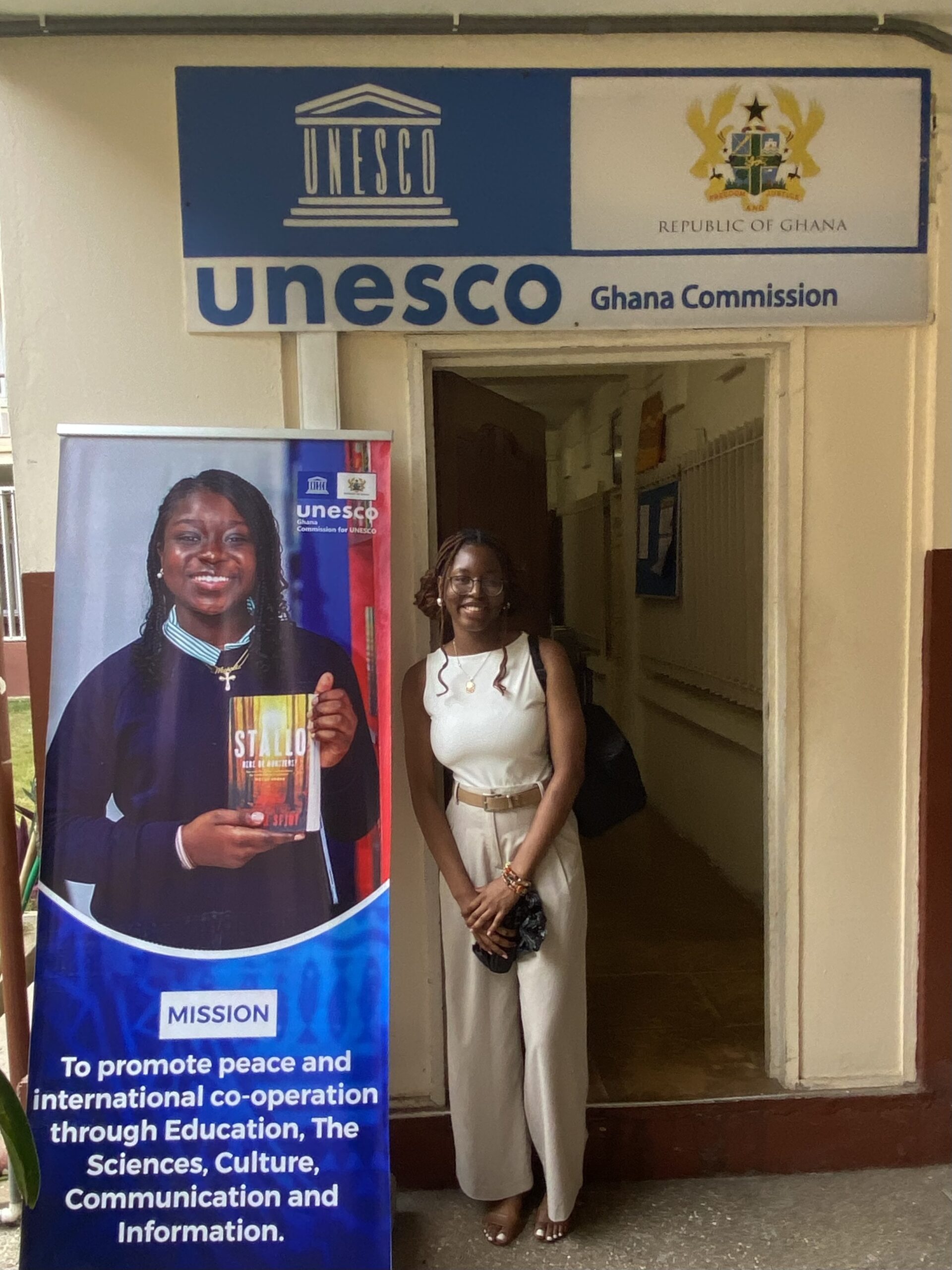
I worked with the Ghana Commission for UNESCO a few summers ago. Prior to this experience, I had taken several classes on colonialism across different continents. In class, I learned about how systems and structures were intentionally created to keep formerly colonized people marginalized and to lay the groundwork for metacolonialism, which is simply a variation of colonialism. I had also learned about how colonialism sought to push marginalized groups to repudiate their own culture and assimilate into Western culture. My coursework provided me with an in-depth theoretical understanding of colonialism and its contemporary manifestations.
However, working with the Ghana Commission for UNESCO further deepened my understanding through hands-on work in this field. I had the opportunity to see how these theories translate into real-world practice. It also encouraged me to think more critically about my own positionality as a student interested in these topics, and about the impact my research and physical presence may have on the communities I aim to learn more about.
My GEM coursework equipped me with the tools to engage with the true meaning of a community-centered approach critically. In addition to my internship experience, my research in Psychology focuses on decolonial theory, racism, and intergroup relations. Here, I always try to be mindful of the sensitivity of these topics. In all my interactions with community members from the populations we study, I try to remain cognizant of the community’s needs and how I am showing up in the space. We ensure community members are adequately compensated for the time they generously share with us through interviews and surveys. In addition, we are very transparent about our process. This minor has also strengthened my confidence in confronting inequality across broader systems and structures worldwide.
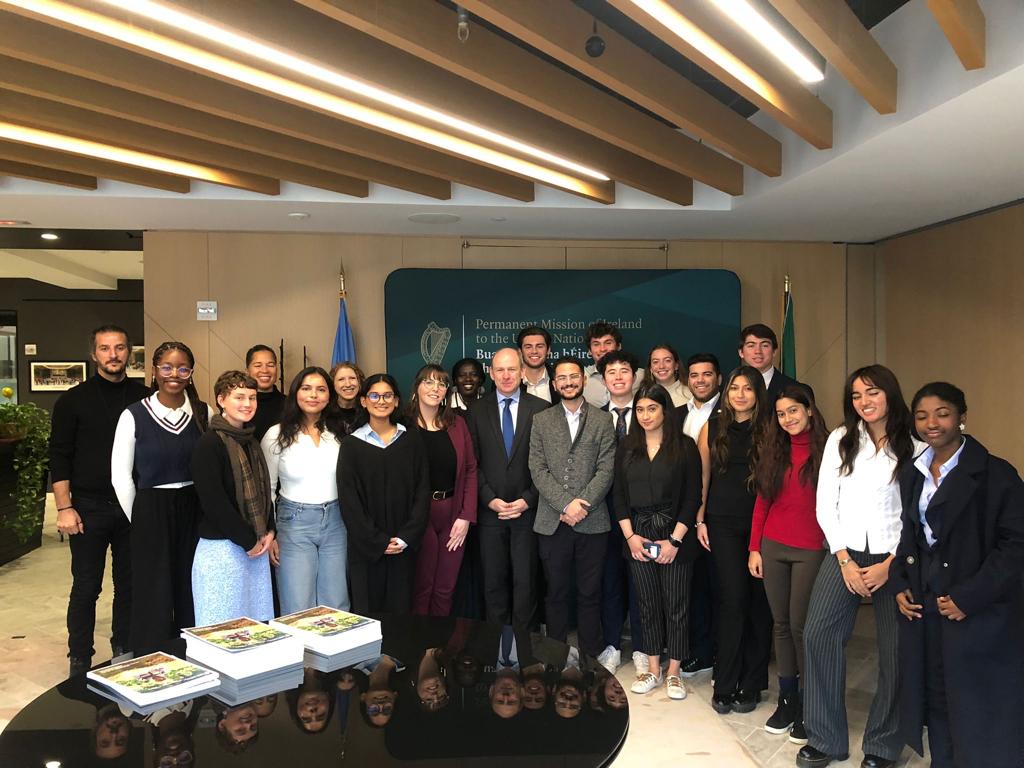
In my second year at Wesleyan University, I was selected to attend the United Nations ECOSCOC Youth Forum. In a session on the future of Africa’s education, I asked the panel of dignitaries, “In our quest for long-term change, how would you suggest we reckon with our history of colonization and traces of neocolonialism and metacolonialism in present governmental and economic structures serving as obstructions to substantial change?” Although the response I received was not very encouraging (a dignitary told me that colonization WAS beneficial, so there is nothing to address in our educational system), I am still proud of myself for taking the step of asking this question and confronting a flawed system. I believe GEM was highly instrumental in building my confidence and teaching me how to recognize these systemic flaws.
Above is the link to a video of me asking the question